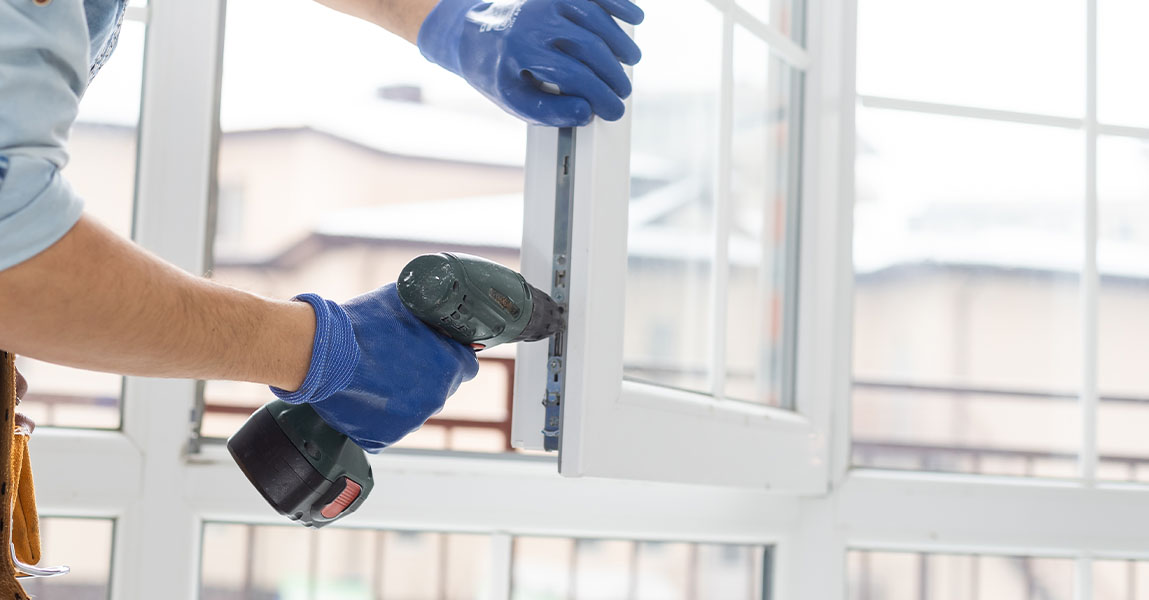
Replacing windows in older homes is more complex than it looks. Many homeowners assume that a retrofit installation, which keeps the existing frame intact, will save time and money. While that may work in newer houses with solid frames, older homes often need something more thorough. Full-frame replacement provides a deeper solution that corrects hidden structural problems, improves energy efficiency, and restores long-term durability.
Understanding the Difference Between Full-Frame and Retrofit
A retrofit window replacement involves fitting a new window unit into an existing frame. The interior and exterior trims stay in place, making it a faster and less invasive process. Full-frame replacement, on the other hand, removes the entire old window assembly, including the frame, casing, and sills, before installing a new unit.
This difference matters most in older houses. Many homes built more than 25 or 30 years ago were constructed with wood frames that have absorbed decades of moisture and temperature fluctuations. Once those frames start to rot, crack, or warp, a retrofit installation simply hides the problem instead of fixing it.
The Hidden Risks of Old Window Frames
Moisture is the most common enemy of aging window structures. Even a small gap between the wall and the frame allows water to seep in, softening wood, corroding metal, and damaging insulation. Over time, these issues become invisible from the outside, making retrofit replacements ineffective.
By removing everything down to the rough opening, a full-frame replacement gives us a clear view of what is happening inside the wall cavity. We can repair or replace rotted materials, re-insulate properly, and seal the area before installing the new window. This creates a stronger, more efficient, and longer-lasting result.
If you live in an older property and notice drafts, uneven temperatures, or condensation between panes, it’s likely your window frames are failing behind the scenes. A proper windows replacement in Calgary addresses those problems directly instead of covering them up.
Energy Efficiency and Insulation Performance
Older window frames were not designed to meet today’s energy standards. Even with modern glass units, poor insulation around a decayed frame will leak heat and let in cold air. During Calgary winters, those losses quickly show up on utility bills.
Full-frame replacement lets us rebuild the thermal barrier from the wall outward. We can add spray foam insulation, use high-efficiency flashing tape, and ensure an airtight seal where the window meets the structure. The result is not just a better-performing window but a more balanced indoor climate.
Retrofit installations, while faster, can leave gaps in these key areas. Without addressing the insulation behind the trim, energy loss continues even after the new glass is installed. Over time, the short-term savings disappear as heating and cooling costs rise again.
The Importance of Structural Integrity
The structural connection between the window and the wall is often overlooked. Older frames can shift over time as houses settle, causing the window opening to lose its square shape. This leads to sticking sashes, poor locking mechanisms, and uneven gaps that let in air and water.
A full-frame replacement restores proper geometry. By starting from a clean opening, we can measure and correct the alignment, rebuild the sill to proper slope, and install new waterproof membranes. These steps bring the entire structure back to its intended function, improving both performance and security.
A retrofit window cannot solve these foundational problems. In some cases, it can even make them worse by placing stress on an already uneven frame, eventually leading to cracked seals or air infiltration.
Preserving the Original Character of Older Homes
One of the main concerns homeowners have about full-frame replacement is aesthetics. Older houses often feature distinctive trim details, wide casings, and deep sills that give them character. Many fear that removing those features will make the home look too modern or lose its charm.
However, a professional full-frame installation allows us to replicate or restore the original appearance while improving efficiency. We can match historical profiles, recreate wood textures, and use materials that complement the home’s design. The process becomes an opportunity to protect the building’s heritage rather than erase it.
When done properly, new windows enhance both the appearance and value of older homes. They bring back the symmetry and visual balance that retrofit installations sometimes disrupt.
Long-Term Value and Maintenance
The upfront cost of full-frame replacement is higher, but the long-term value outweighs it. By addressing the hidden frame issues now, you avoid expensive structural repairs later. The new assembly lasts longer, requires less maintenance, and maintains its insulation quality for decades.
Retrofit windows might seem convenient, but they rely on the condition of what’s already there. If the old frame fails, you end up replacing everything again. That means paying twice for a problem that could have been solved the first time.
Full-frame replacement also makes cleaning and upkeep easier. Since the new installation resets the trim and sill design, it allows for better drainage and less buildup of debris and condensation. That prevents mold growth and frame damage over time.
Detecting When a Full-Frame Replacement Is Needed
There are signs that tell us when a full-frame replacement is the right choice. If your windows are difficult to open or close, that usually means the frame has shifted. Visible rot, peeling paint, or soft wood along the sills indicates water damage. If you notice air leaks even after applying caulking or weather stripping, the insulation behind the frame is likely failing.
We also look at the window’s age. Anything older than 25 years often lacks the structural and thermal performance needed for Alberta’s changing climate. Even if it looks fine from the outside, the materials inside might already be deteriorating.
A full inspection can confirm whether the frame and wall cavity are still sound. We always recommend evaluating the entire opening before deciding on a replacement method.
Window Technology Has Evolved
Modern windows perform best when paired with equally modern frames. Older homes often have single-pane or aluminum-framed units that lack thermal breaks. Full-frame replacement lets us integrate advanced materials such as vinyl, fiberglass, or composite frames that resist temperature changes and minimize condensation.
These newer materials expand and contract less than wood or aluminum, preserving the seal integrity for longer periods. Combined with double or triple glazing, they create a consistent temperature barrier that keeps the indoor climate stable.
Even the smallest details, such as using insulated spacers or low-emissivity coatings, contribute to a more efficient result. These upgrades are fully realized only when installed as part of a complete window system rather than a retrofit over an aging structure.
Addressing Moisture and Mold Problems
Old windows often conceal water damage that extends beyond the frame. Leaks can travel down into wall cavities, encouraging mold growth and insulation decay. These issues are not visible from the inside until significant harm has already been done.
Full-frame replacement uncovers those hidden problems and gives us the chance to correct them. We can replace damaged sheathing, install proper vapor barriers, and ensure drainage systems work as intended. This process not only prevents future leaks but also improves indoor air quality by removing mold-prone areas.
Retrofit windows can trap moisture between layers, creating ideal conditions for mold to grow unnoticed. Over time, that can affect both your home’s structure and your health.
Improved Noise Reduction
A full-frame replacement doesn’t only improve energy efficiency. It also reduces outdoor noise. In older homes, loose frames and gaps allow sound to travel freely from the street into living spaces.
By rebuilding the frame with new insulation and properly sealed joints, noise transmission drops significantly. This is especially noticeable in busy areas or near main roads where soundproofing makes a major difference in comfort.
Retrofit installations rarely provide this level of noise control because they leave the original gaps and voids untouched.
A Safer and More Secure Installation
Security is another advantage of full-frame replacement. Modern frames are built with reinforced locking systems and integrated anchoring points that resist forced entry. When we install these systems directly into the structural opening, they become part of the wall assembly itself.
Older frames, especially wooden ones, weaken over time and can no longer support secure locks. A retrofit window installed in such a frame may look new but remains vulnerable at its core. By starting from scratch, we restore the home’s overall security rather than just upgrading its surface.
Local Climate and Long-Term Durability
Calgary’s weather is challenging. The sharp temperature swings, snow loads, and intense summer sun create stress on window materials. Full-frame replacement allows for proper flashing, drainage, and sealing methods that withstand these conditions.
Retrofit windows often rely on the old frame’s condition to resist the same forces. When that frame has already endured decades of freeze and thaw cycles, its resilience is limited. Over time, gaps form, seals weaken, and the window begins to leak again.
For long-term durability, replacing the entire system ensures that every component—from the insulation to the sill—is built to modern standards and able to handle the regional climate.
Investing in the Right Kind of Replacement
For older homes, the question isn’t whether to replace the windows but how to do it right. Choosing a full-frame approach may involve more work upfront, but it ensures that you’re solving the root problem, not just patching the visible one. It creates a cleaner installation, improves comfort, and adds value to the property for years ahead.
If you’re unsure which method is right for your home, you can always contact us for a detailed evaluation. A professional inspection helps determine the true condition of your window structures and guides you toward the best long-term choice for your home.
FAQ
Why is full-frame replacement more expensive than retrofit?
It requires more labor and materials since the old frame, sill, and trim are removed and rebuilt. However, it prevents hidden damage from spreading, saving money in the long run.
Can retrofit windows work in an older home if the frame looks solid?
Sometimes, yes. But the frame’s interior condition is what matters most. Even if it appears intact, hidden rot or shifting may make a full replacement necessary.
How long does a full-frame window replacement take?
Most installations take one to two days per window, depending on the number of units and the condition of the wall openings.
Do full-frame replacements improve resale value?
Yes. Buyers prefer homes with modern, efficient windows and solid insulation. It demonstrates care and reduces future maintenance concerns.
Will full-frame replacement affect my home’s appearance?
Only in a positive way. The process allows you to update or restore the trim and sill design, improving both aesthetics and performance without losing the original charm.